


Grounding Techniques and Mindfulness: Simple Strategies for Finding Calm

Introduction: Why Grounding Techniques Matter
In today’s fast-paced world, feeling overwhelmed or emotionally spiraling can happen to anyone. Grounding techniques are powerful tools that help anchor you in the present moment when your mind feels scattered. These methods—a cornerstone of mindfulness practice—empower you to reclaim your balance during stress, anxiety, or emotional turmoil.
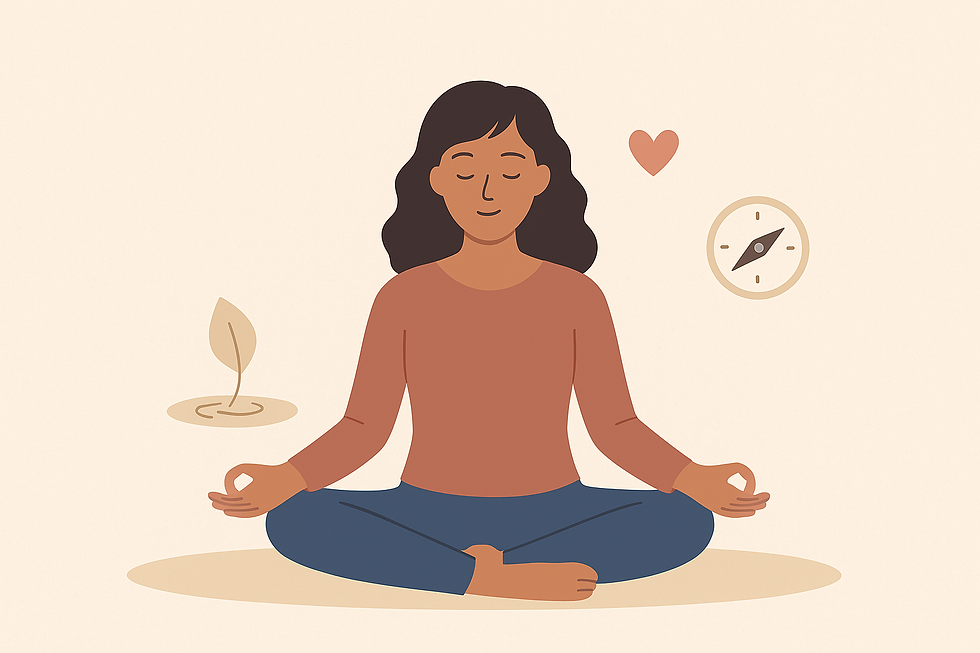
What Are Grounding Techniques?
Grounding techniques are mindfulness-based strategies designed to:
Stabilize an anxious or distressed mind
Bring attention to the here-and-now
Calm the nervous system
Enhance emotional self-awareness
Offer accessible tools for both everyday and crisis situations
By engaging your senses or focusing on simple tasks, these practices help disrupt spiraling thoughts and reconnect you with a sense of reality and control.
Five Grounding Techniques You Can Start Today
54321 Sensory Exercise: Identify 5 things you can see, 4 things you can touch, 3 things you can hear, 2 things you can smell (or imagine), and 1 thing you can taste (or imagine). This classic sensory method is quick and effective.
Breath Awareness: Close your eyes and take five to ten slow, deep breaths—inhale for a count of four, pause, exhale for a count of six. Focus on how the air feels, the rise and fall of your chest, and the sensation as it leaves your body.
Body Scan: Starting from your toes and moving upward, gently observe each part of your body. Notice areas of tension or relaxation without judgment.
Grounding with an Object: Hold something small and textured—like a stone, a piece of fabric, or a stress ball. Feel the weight, shape, and texture as you breathe slowly and mindfully.
Visual Anchors:Choose an object in your environment—a plant, photograph, or artwork—and observe its colors, shapes, and details. Let your attention rest on it for a minute or two to re-center.
How Mindfulness Enhances Grounding
Mindfulness—a practice of non-judgmental presence—complements grounding techniques beautifully. By embracing sensations and thoughts without evaluation, mindfulness provides a safe space for emotions to be felt and released. This helps:
Reduce the intensity of anxious or ruminating thoughts
Promote emotional regulation
Build self-compassion and awareness over time
Blending grounding methods with mindful awareness deepens their effectiveness, offering a path toward lasting inner calm.
Bonus Tool: Downloadable DBT Mindfulness Workbook on Etsy
Want a structured way to integrate grounding and mindfulness into your routine? Consider this DBT Workbook: Mindfulness, available on Etsy—packed with guided exercises and worksheets tailored to help you strengthen mindful grounding skills.Grab the DBT Workbook: Mindfulness workbook on Etsy here
Tips for Using the Workbook Effectively
Schedule a dedicated “mindfulness moment” each day—even just 5 minutes counts.
Pair the workbook with real-world grounding: after completing an exercise, practice a 54321 exercise or breath awareness right away.
Track your experience: note which grounding tools resonate most—this self-awareness helps you use them more instinctively.
Use the worksheets during stress, not just during planned practice, to build real-world resilience.
Conclusion
Grounding techniques are simple yet powerful tools to help you feel present, calm, and centered. By combining these tools with mindfulness—and reinforcing them with structured support like the DBT workbook from Etsy—you can build an emotional toolkit that helps you navigate daily stresses with greater ease and awareness.
Try one grounding technique today—and consider using the workbook to make mindfulness a lasting habit.


Comments